
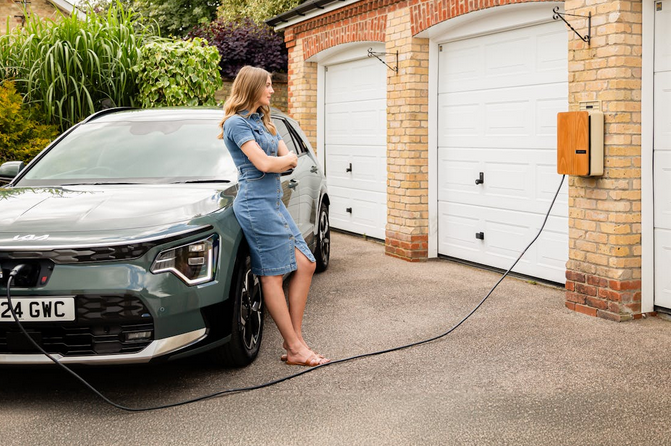
Owning an electric vehicle (EV) is becoming more popular than ever, and one of the biggest advantages is the convenience of charging at home. Instead of making frequent trips to a gas station, you can simply plug your vehicle in overnight and wake up to a full battery. Home charging not only saves time but can also reduce your overall transportation costs. However, many new EV owners have questions about charging equipment, installation, electricity costs, and battery care. Understanding the basics of home charging can help you make the most of your EV while keeping your charging routine safe, efficient, and affordable.
Understanding the Different Types of Home Chargers
The first thing every EV owner should know is that not all chargers are the same. Most electric vehicles come with a Level 1 charger that plugs into a standard household outlet. While this option is convenient, it charges the battery slowly and is usually best for drivers with short daily commutes. A Level 2 charger, on the other hand, requires professional installation but charges much faster, often adding enough range overnight for most drivers. Choosing the right charger depends on your driving habits, budget, and how quickly you need your vehicle ready each day.
Choosing the Right Charging Location
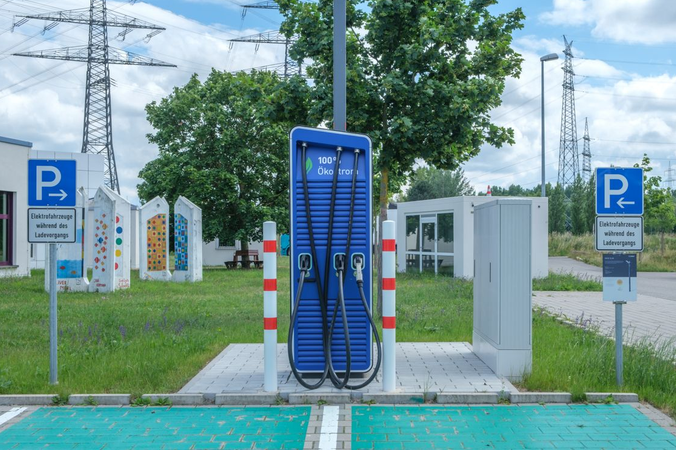
Where you install your charger is almost as important as the charger itself. Many homeowners place their charging station in the garage because it offers protection from weather and provides easy access to electrical wiring. If a garage isn’t available, outdoor charging stations are designed to withstand rain, snow, and heat when installed correctly. The charging cable should comfortably reach your vehicle without creating a tripping hazard or stretching across walkways. Planning the installation carefully will make daily charging much more convenient.
Understanding Electricity Costs
Charging an EV at home is generally less expensive than fueling a gasoline-powered vehicle, but your electricity bill will increase depending on how much you drive. The exact cost depends on your local electricity rates and the size of your vehicle’s battery. Many utility companies offer lower electricity prices during off-peak hours, usually late at night. Scheduling your vehicle to charge during these times can significantly reduce your monthly charging costs. Tracking your energy usage also helps you estimate your overall savings compared to traditional fuel expenses.
Protecting Your EV Battery
Proper charging habits play an important role in extending the life of your EV’s battery. While modern batteries are built to last, consistently charging to 100% isn’t always necessary for everyday driving. Many manufacturers recommend keeping the battery between 20% and 80% for regular use, only charging to full capacity before longer trips. Avoid letting the battery remain empty for extended periods, as this may reduce its long-term performance. Following your manufacturer’s recommendations will help maintain battery health for years.
Safety Tips for Home Charging
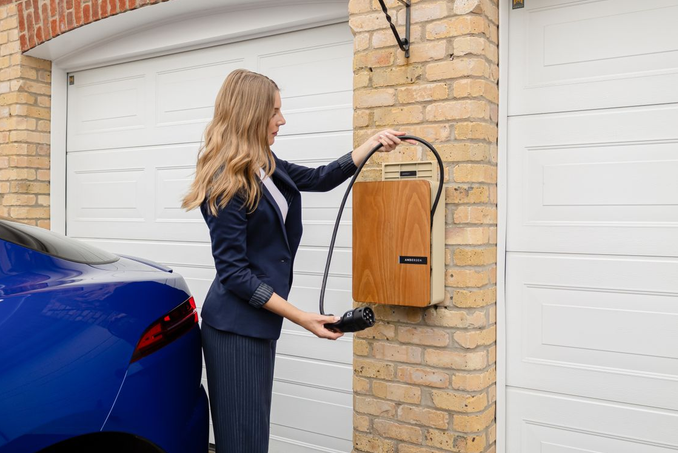
Safety should always come first when charging an electric vehicle at home. Always use certified charging equipment and avoid using damaged cables or adapters. If you’re installing a Level 2 charger, hiring a licensed electrician ensures your home’s electrical system can safely handle the additional power demand. It’s also important to regularly inspect your charging equipment for signs of wear or overheating. Keeping the charging area clean and dry adds another layer of safety and helps prevent accidents.
Smart Charging Features Make Life Easier
Many modern EVs and charging stations include smart features that simplify home charging. Mobile apps allow you to monitor charging progress, schedule charging sessions, and even receive notifications when your battery is fully charged. Some systems can track electricity usage, helping you understand your charging costs over time. Smart chargers may also integrate with home energy systems or solar panels, making it easier to maximize renewable energy and lower electricity expenses.
Preparing Your Home for the Future
As electric vehicles become more common, investing in home charging can also increase your property’s appeal. If you’re building a new home or planning renovations, installing wiring for a Level 2 charger can save time and money later. Even households with one EV today may eventually own multiple electric vehicles, making future-ready electrical upgrades a smart investment. Planning ensures your home is prepared for the growing shift toward electric transportation.
Charging an EV at home is one of the biggest benefits of electric vehicle ownership. With the right charger, safe installation, and smart charging habits, you can enjoy reliable, convenient, and cost-effective charging every day. By understanding your options and following best practices, you’ll get the most out of your EV while keeping your battery healthy and your driving experience hassle-free.