

There was a time when loving cars meant tuning engines, waxing chrome, and dreaming about horsepower. For previous generations, cars were everything: identity, independence, and Friday night fun. But for millennials, car culture looks very different. The love is still there—it’s just evolved.
Raised during recessions, climate crises, and the rise of ride-sharing, millennials aren’t obsessed with muscle cars or flashy speed. They’re more interested in efficiency, design, tech integration, and what a car can do for their lifestyle. In other words, they’re redefining what it means to love cars—and maybe giving car culture its most interesting update yet.
Tech Is the New Horsepower
Millennials grew up alongside the rise of smartphones and smart everything. So it makes sense that what excites them about cars isn’t just power under the hood—it’s the software inside. Built-in navigation, seamless phone integration, adaptive cruise control, and self-parking features aren’t bonuses—they’re expected. For many millennials, a sleek digital dashboard holds more appeal than a roaring V8 engine. The new love language is convenience and connectivity.

Sustainability Shapes the Wish List
This generation is deeply aware of environmental issues, and it shows in how they approach car ownership. Gas-guzzlers are out; hybrids and EVs are in. Millennials are more likely to factor in emissions, fuel efficiency, and the car’s overall carbon footprint when making decisions. To them, loving cars means loving the planet enough to drive something that doesn’t trash it. Tesla may have made electric cool, but millennials are pushing the rest of the industry to catch up.
Design Over Status
While previous generations might’ve been drawn to big, bold, status-symbol vehicles, millennials often lean toward cars that are minimalist, stylish, and practical. They want clean lines, clever storage, and thoughtful touches that support daily life. It’s less about showing off and more about feeling good in the car. Whether it’s a compact SUV for weekend trips or a zippy little EV for city life, it’s all about function meeting aesthetic.
Experiences Over Ownership

Millennials are also rethinking whether they even need to own a car in the first place. With Uber, Lyft, and car-sharing services available at the tap of a button, car ownership has become more optional than ever. But that doesn’t mean they don’t love cars—it just means they love the freedom and experience more than the commitment. For many, a car is something to borrow when needed, not something to pay off for five years.
Nostalgia Still Has a Place
Despite their modern preferences, millennials haven’t abandoned the emotional side of car culture. Road trips, music on the radio, windows down on a summer night—those classic experiences still hit. Many even find themselves drawn to older cars, not for the performance, but for the memories. A ’90s Civic or an old Jeep might spark joy in a way no new EV ever could. It’s not about horsepower—it’s about heart. Millennials aren’t killing car culture—they’re reshaping it. Their version is less about loud engines and more about thoughtful design, sustainability, tech, and freedom. They still love cars—but they love them in a way that fits their values, their budget, and their lifestyle.
In redefining what car love looks like, millennials are actually making space for more people to join in—people who want the journey to matter just as much as the machine. And maybe, just maybe, that’s the future of driving.





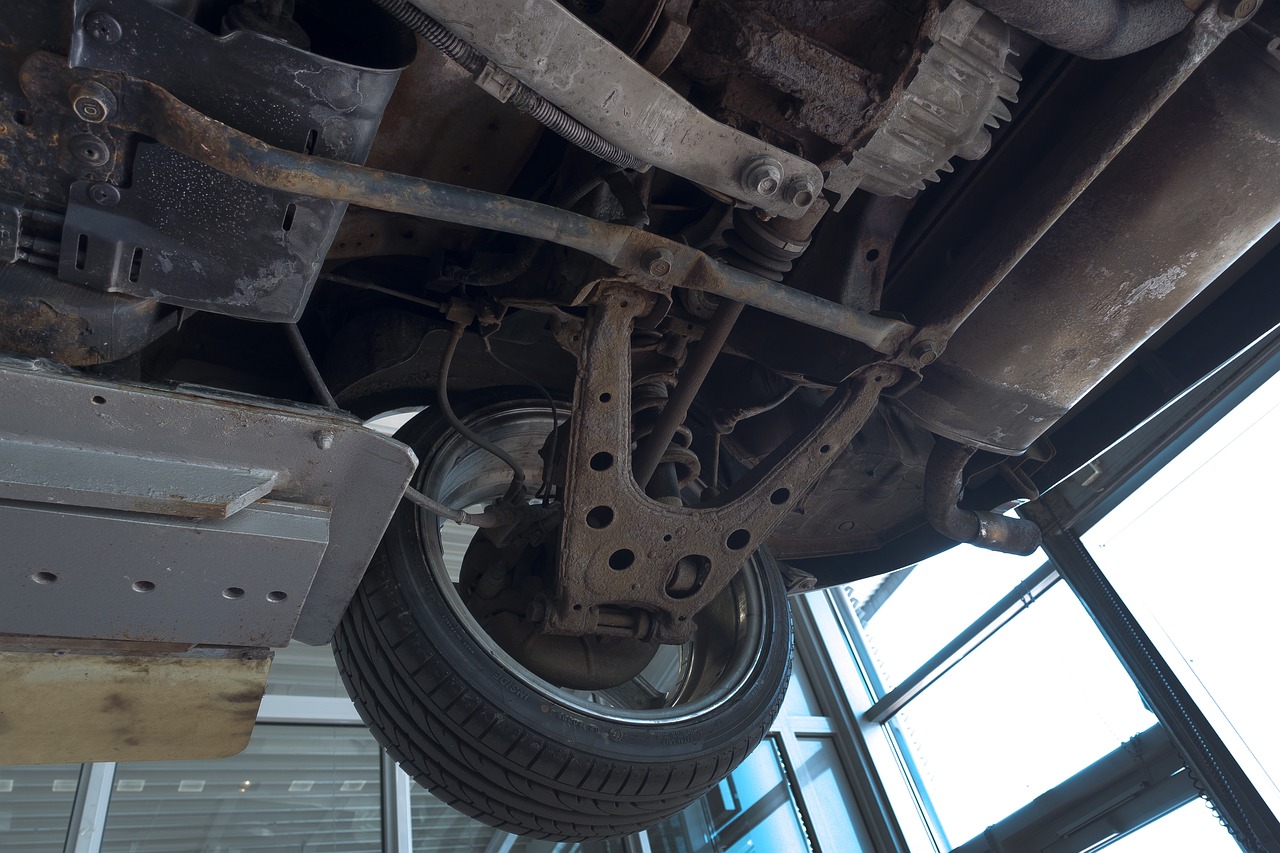
 When it comes to embarking on a
  Imagine hitting the open road and feeling confident that your car is in top shape. No worrying about unexpected breakdowns or issues popping up along the way. That’s the peace of mind a thorough car inspection before a road trip can bring you. Knowing that a professional has checked your vehicle from bumper to bumper gives you reassurance as you embark on your journey. It allows you to focus on enjoying the drive and making memories with your loved ones rather than stressing about what could go wrong. Peace of mind also comes from knowing that you’ve taken proactive steps to ensure your safety and that of your passengers.
 Ensuring the longevity of your vehicle is crucial for its overall performance and value. By conducting a thorough inspection before hitting the road, you can identify any potential issues that may affect the long-term health of your car. From checking fluid levels to inspecting the brakes and tires, every aspect plays a role in maintaining your vehicle’s longevity. Regular maintenance not only extends the lifespan of your car but also helps prevent costly repairs down the line. Addressing minor problems early on can prevent them from escalating into major issues that could significantly impact your vehicle’s longevity.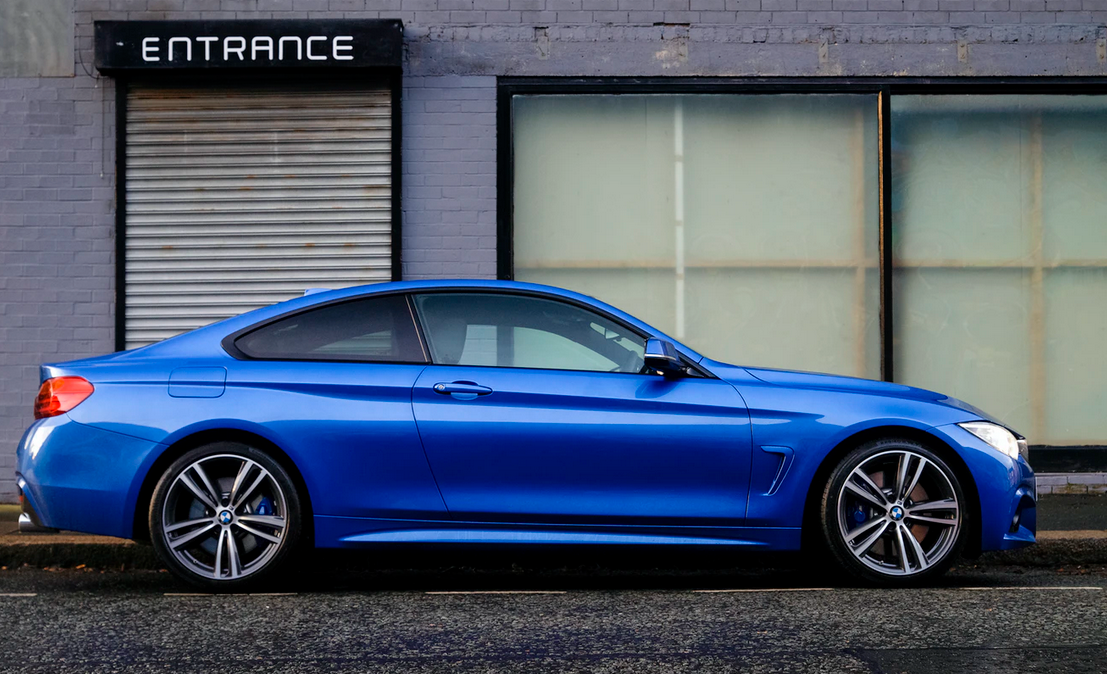
 One of the main reasons why many people find it challenging to sell their cars is their price. Many people will be attracted to something slightly cheaper than what they can find in the market. Just like homes, we tend to be emotionally attached to our cars. This might play a role in the price we set.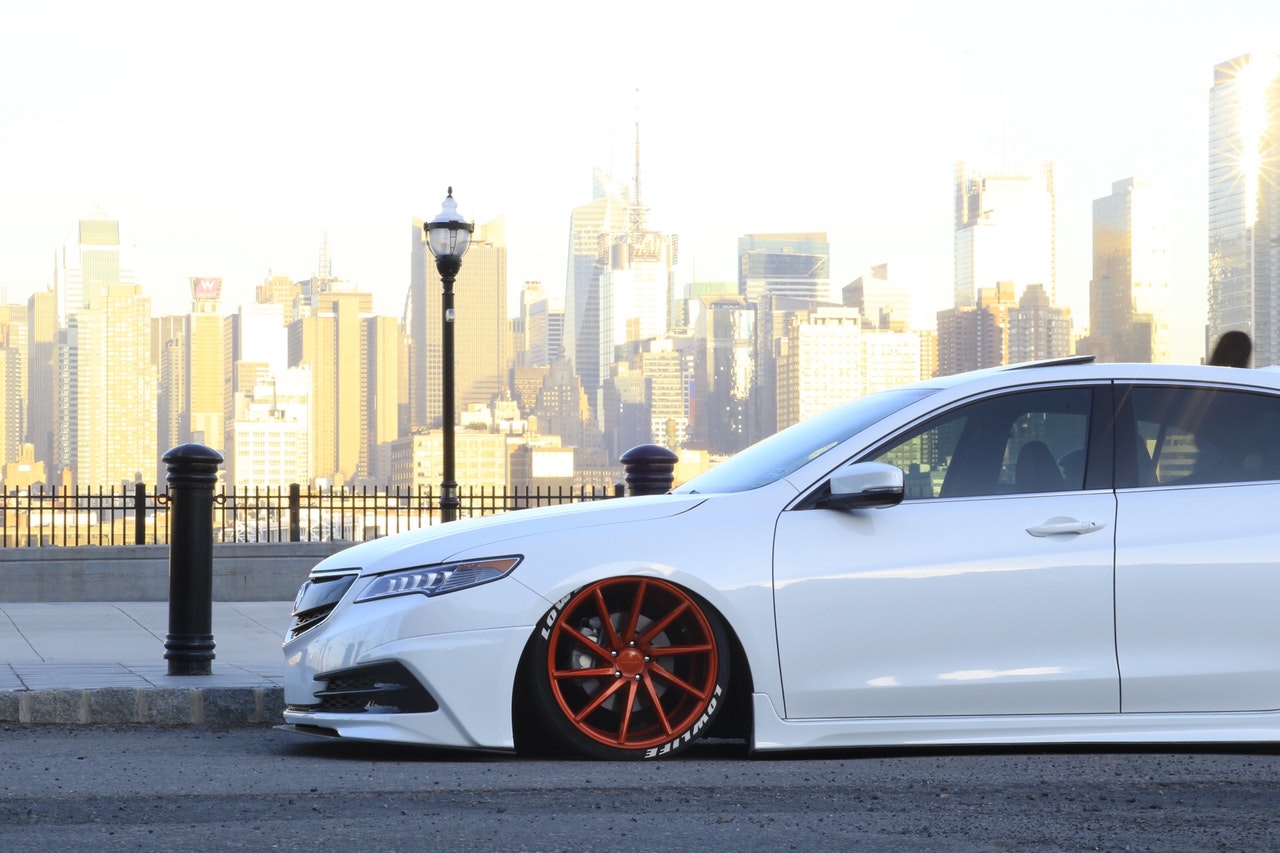

 It is always wise to double or even triple up your car’s security by placing additional locks on them. For this, all those owners need to thank technology for offering one great solution for their safety problems. With the massive developments of the antirrobo de motos, they can finally breathe a sigh of relief as their concerns will hit the lowest point.